
Indigenous Markings: A Stance on Cultural Integrity
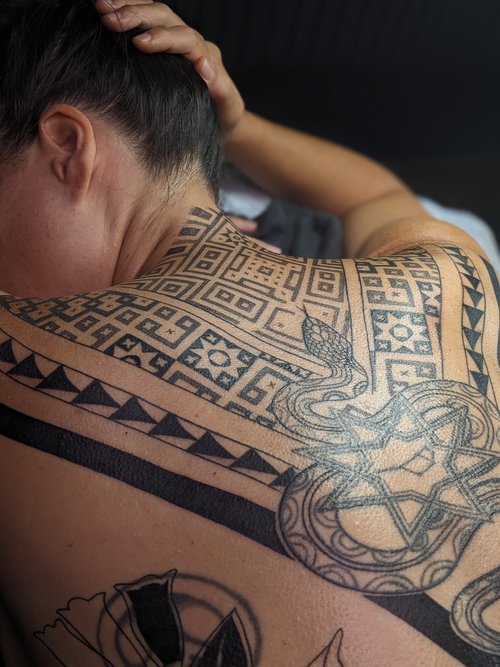
Tsalagi “Chief’s Daughter/Morningstar” Tattoo by Ashely Foreman / Faelien.Ink for fellow tribal member
At The Mothership Tattoo Collective, we believe that tattoos are not just body art; they are deeply rooted expressions of identity, culture, and tradition. When it comes to indigenous markings, we hold a firm stance: you cannot have indigenous tattoos if you are not indigenous to the culture or community from which the marking originates.
Understanding Indigenous Markings
Indigenous tattoos carry significant cultural meanings and histories. They often represent:
Cultural Identity: These markings signify a person's connection to their heritage, clan, or tribe. They are symbols of belonging and pride within the community.
Spiritual Significance: Many indigenous tattoos are tied to spiritual beliefs and practices, representing connections to the land, ancestors, and the spiritual world.
Life Events and Achievements: These tattoos may commemorate important milestones, such as coming of age, marriage, or other significant life events.
Storytelling and Tradition: Indigenous tattoos often convey stories and teachings passed down through generations, reflecting the values and history of the culture.
Questioning Your Motives
If you are a non-Indigenous person considering an indigenous marking, it’s essential to question your motives:
Why Do You Want This Tattoo?: Reflect on your reasons for wanting an indigenous marking. Is it an appreciation of the art, or is there a deeper connection to the culture? Understanding your motivations can help clarify whether it’s appropriate for you to pursue this path.
Do You Understand the History?: Consider the historical context surrounding settler colonialism and the oppression of indigenous peoples. Many indigenous cultures have faced significant trauma and loss due to colonization, and wearing their markings without understanding this history can be seen as disrespectful.
Do You Have a Valid Relationship?: Ask yourself if you have a genuine relationship with the culture or community from which the tattoo originates. Are you engaged in meaningful dialogue with indigenous people? Do you support their causes and respect their traditions? A valid relationship is crucial in determining whether you should pursue indigenous markings.
Mixed Heritage and Reconnecting
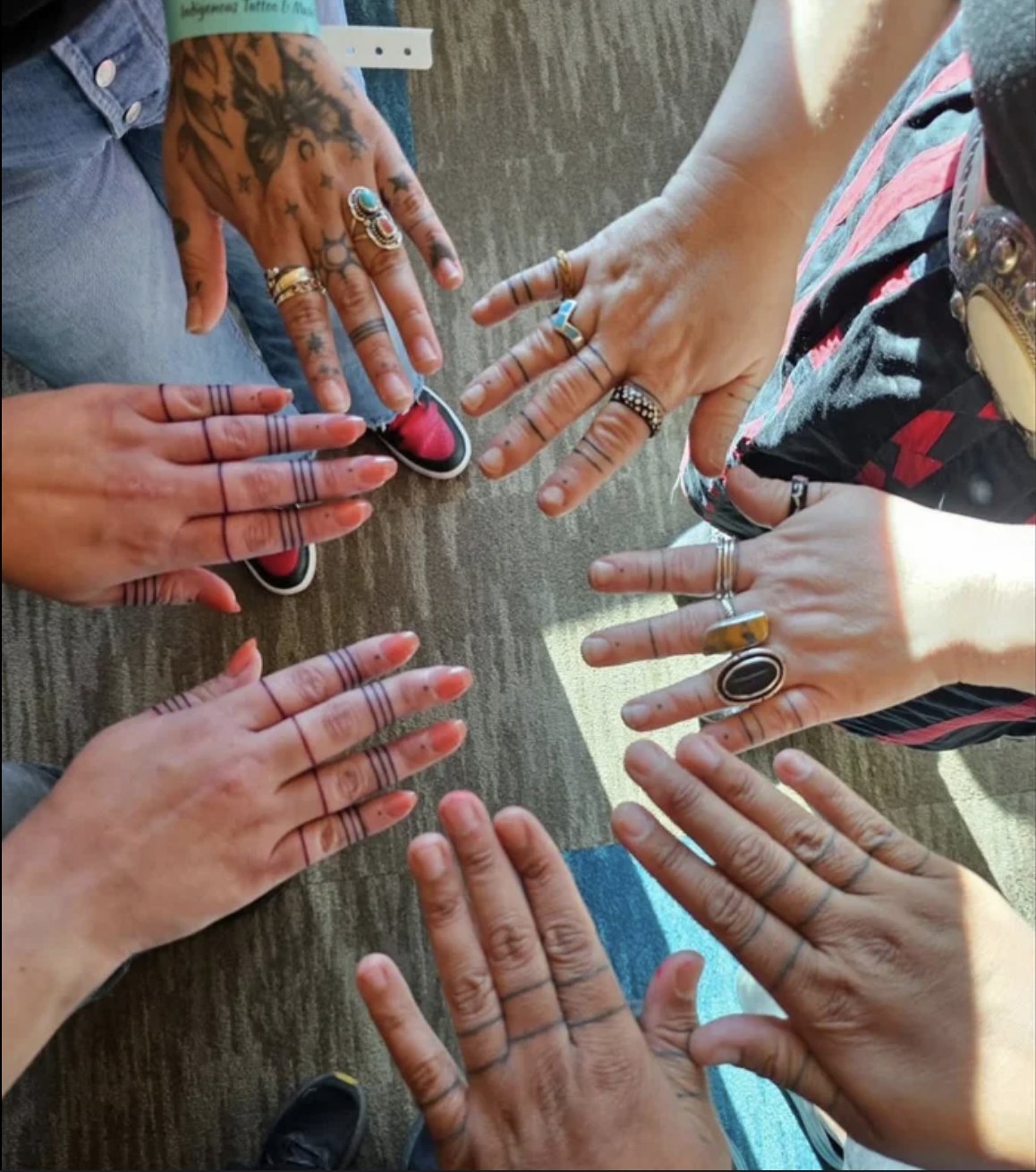
Inchunwa/Ichowa | Southeastern indigenous markings
For individuals of mixed heritage, especially those seeking to reconnect with their indigenous roots, the journey can be both profound and vulnerable. Receiving indigenous markings can serve as a powerful form of healing and self-discovery. Here are some key points to consider:
Healing Through Connection: For many mixed heritage individuals, getting an indigenous marking can symbolize a reconnection to their roots. It can serve as a reminder of their heritage and the strength of their ancestors, fostering a sense of belonging and identity.
Navigating Vulnerability: This journey can also be vulnerable. Mixed heritage individuals may face challenges in navigating their identity, especially if they feel disconnected from their indigenous community. Acknowledging this vulnerability is essential as it can lead to deeper understanding and acceptance of oneself. Baring your markings can make you visible, which can be both healing and challenging.
Engaging with Community: If you are of mixed heritage and considering an indigenous marking, it’s important to engage with your community and be clear about your connection to the culture you believe you’re from. Speak with elders, artists, and cultural leaders who can provide guidance and support. Do Ancestry work to make sure the connection is real and not just family lore. This engagement can help ensure that your decision is respectful and rooted in genuine connection.
Respecting Traditions: While the act of receiving a marking can be healing, it’s vital to approach it with respect for the traditions and meanings behind the designs. Understanding the cultural significance of the marking can enhance your experience and reinforce your connection to your heritage.
The Challenge of Hearing "No"
It’s important to recognize that many non-indigenous individuals, in particular, often struggle to accept the answer "no" when it comes to obtaining indigenous markings or spiritual symbolism. This reaction can be linked to a broader sense of entitlement rooted in colonial cultures. Here are some points to consider:
Entitlement and Neocolonialism: The desire for indigenous markings by non-Indigenous individuals can reflect a deeper sense of entitlement that stems from neocolonial attitudes. This mindset often disregards the historical and cultural significance of indigenous symbols, treating them as mere aesthetic choices rather than sacred representations.
Indigenous Erasure: This entitlement contributes to the ongoing erasure of indigenous identities and cultures. When non-Indigenous individuals claim these markings without understanding their significance, it perpetuates a cycle of appropriation and disrespect that undermines the struggles and histories of indigenous peoples.
The Importance of Respect: Accepting the boundaries set by indigenous communities is crucial. It requires humility and a willingness to listen. Recognizing that indigenous markings are not available for appropriation is a step toward honoring and respecting the cultures from which they originate.
Why Non-Indigenous People Should Not Get Indigenous Tattoos
Cultural Appropriation: Obtaining indigenous markings as a non-Indigenous person can be seen as cultural appropriation. This occurs when elements of a culture are used without understanding, respect, or acknowledgment of their significance, often leading to misrepresentation and commodification.
Disrespect to Traditions: Indigenous markings are often sacred and tied to specific cultural practices. Wearing these tattoos without being part of the community can undermine their meaning and the traditions associated with them.
Identity and Belonging: Tattoos are a reflection of one's identity. For indigenous people, these markings are a vital part of their cultural expression. Non-Indigenous individuals wearing these tattoos can dilute the significance and importance of these symbols for those who truly belong to the culture.
Support Indigenous Voices: Instead of appropriating indigenous designs, we encourage non-Indigenous people to support indigenous artists and communities. This can be done through education, advocacy, and promoting authentic indigenous art.
Our Commitment
At The Mothership Tattoo Collective, we are committed to honoring and respecting the cultures and communities that inspire tattoo art. We do not support the practice of non-Indigenous individuals obtaining indigenous tattoos. We believe in fostering a respectful dialogue about cultural integrity and encouraging everyone to appreciate indigenous art in ways that honor its significance.
If you’re looking for a tattoo that reflects your personal journey or identity, we’re here to help you find a design that resonates with you while respecting the rich tapestry of cultures around us. Let’s create something meaningful together that celebrates your unique story.
Feel free to make any further adjustments or let me know if there’s anything else you’d like to add! This version addresses the challenges of entitlement and the importance of respecting cultural boundaries in relation to indigenous markings.
