
Exploring Filipino Batok: The Art and Significance of Traditional Tattooing
Introduction to Filipino Batok
Filipino Batok is a unique and ancient form of tattooing that holds deep cultural significance in the Philippines. Originating from the indigenous tribes, particularly the Kalinga people, Batok tattoos are not just body art; they represent identity, status, and personal stories. In this blog, we will explore the history, techniques, and contemporary relevance of Filipino Batok, highlighting its importance in both cultural heritage and modern tattooing.
The History of Batok Tattoos
Origins and Cultural Significance
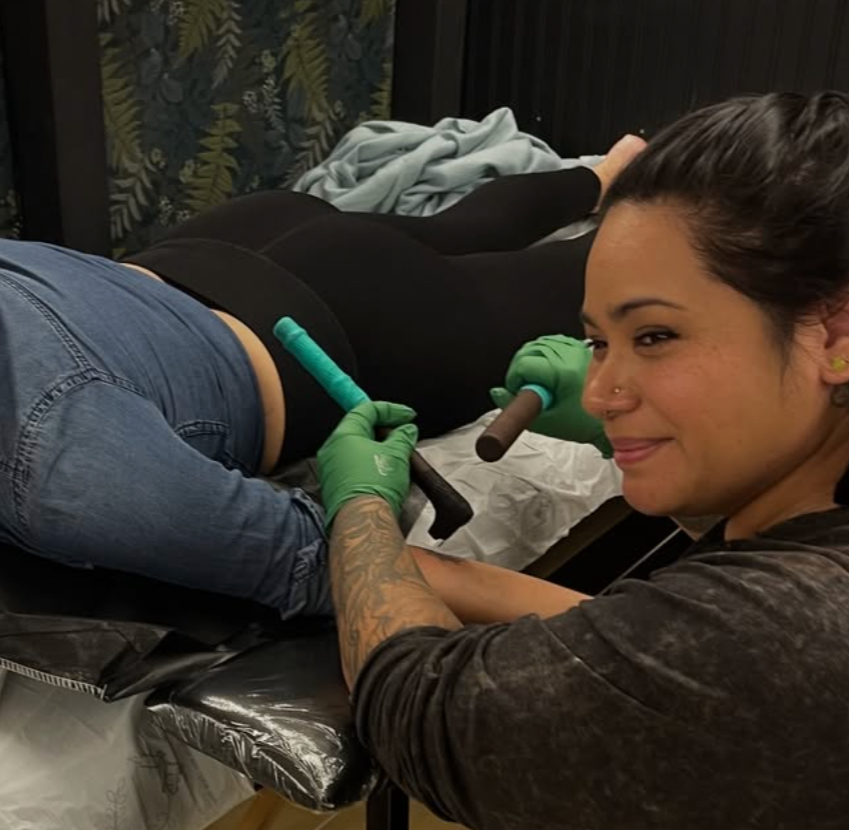
Batok tattoos have been practiced for centuries, with roots tracing back to pre-colonial times. Traditionally, these tattoos were applied using a hand-tapping technique, where a thorn or a sharpened stick was used to puncture the skin, followed by the application of natural ink made from soot or other organic materials. Each design tells a story, often symbolizing bravery, achievements, or rites of passage.
The Role of Women in Batok
Historically, women played a significant role in the practice of Batok. Female tattoo artists, known as "mambabatok," were revered for their skills and knowledge. They would tattoo women and men, often marking important life events such as childbirth, marriage, or victories in battle. This practice empowered women within their communities, as tattoos served as symbols of strength and resilience.
Techniques of Filipino Batok
Traditional Hand-Tapping Method
The traditional Batok technique involves hand-tapping, which is a meticulous process requiring skill and precision. The artist uses a bamboo stick or a thorn to tap ink into the skin, creating intricate designs. This method not only connects the artist and the recipient but also embodies the cultural heritage of the practice.
Modern Adaptations
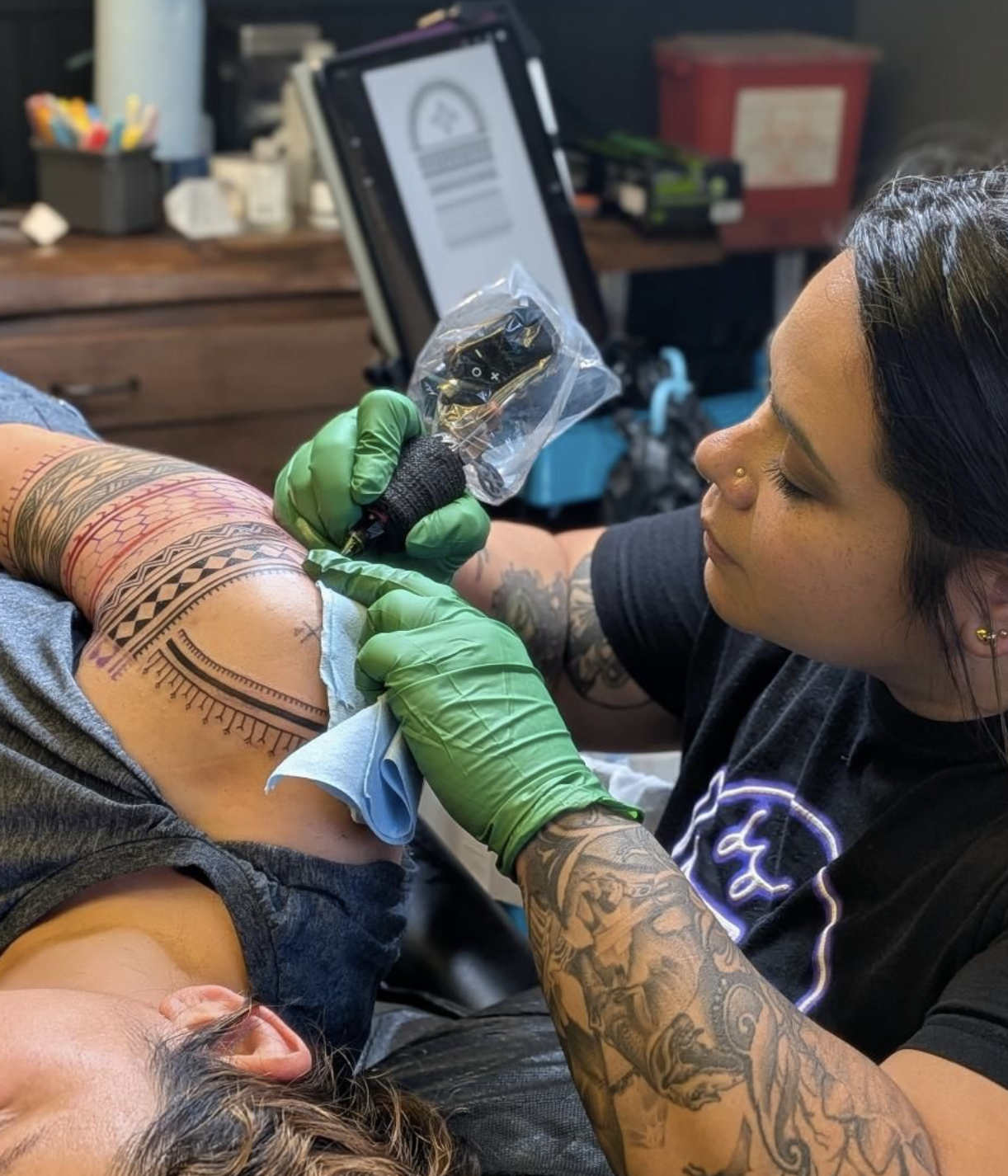
In contemporary times, Batok has seen adaptations in technique and design. While some artists continue to use traditional methods, others incorporate modern tattooing tools and styles, blending the old with the new. This evolution has helped preserve the cultural significance of Batok while making it accessible to a broader audience.
The Significance of Batok in Modern Culture
Reviving Indigenous Practices
In recent years, there has been a resurgence of interest in Filipino Batok as part of a broader movement to revive indigenous practices and celebrate cultural heritage. Many Filipinos are reclaiming their roots by getting Batok tattoos, which serve as a powerful reminder of their identity and history.
Batok as a Form of Self-Expression
Today, Batok tattoos are embraced not only for their cultural significance but also as a form of self-expression. Individuals are drawn to the unique designs and the stories they represent, making Batok a popular choice among modern tattoo enthusiasts.
Supporting Indigenous Artists
By choosing Batok tattoos, individuals can support indigenous artists and contribute to the preservation of traditional practices. Many contemporary mambabatok are dedicated to sharing their craft and educating others about the cultural significance of their art.
Conclusion
Filipino Batok is more than just a form of body art; it is a rich cultural tradition that embodies stories, identity, and resilience. As interest in Batok continues to grow, it is essential to honor its roots and support the artists who keep this ancient practice alive. Whether you are considering a Batok tattoo for its cultural significance or as a form of self-expression, you are participating in a beautiful tradition that connects generations past to the present.
