
Understanding Undertones
1. Understanding Skin Undertones
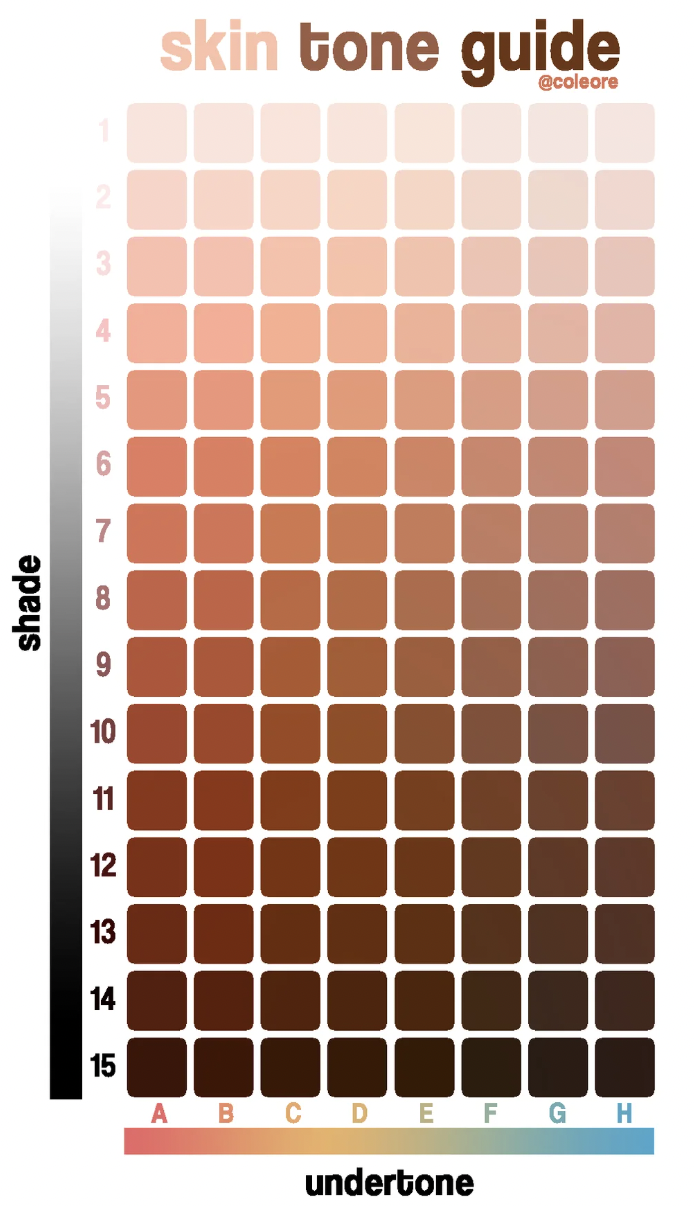
Definition: Skin undertones are the subtle hues beneath the skin’s surface that affect how colors appear on an individual. They can influence how certain colors, including tattoo inks, look when applied to the skin.
Types of Undertones:
Warm Undertones: These skin tones have yellow, peach, or golden hues. People with warm undertones tend to look better in gold jewelry and earthy colors like red, orange, and yellow.
Cool Undertones: These skin tones have pink, blue, or purple hues. Individuals with cool undertones often look better in silver jewelry and cool colors like blue, green, and purple.
Neutral Undertones: This category includes a mix of both warm and cool undertones, making it versatile for a wide range of colors.
2. Identifying Skin Undertones
Vein Test: Look at the veins on the inside of the wrist. If they appear greenish, the undertone is likely warm; if they look bluish, it’s cool; and if it’s hard to tell, it may be neutral.
Jewelry Test: Consider which metal looks better against your skin. Gold typically complements warm undertones, while silver suits cool undertones.
White Paper Test: Hold a piece of white paper next to your face. If your skin looks more yellow against the white, you have warm undertones. If it appears pink or rosy, you likely have cool undertones.
3. Color Theory and Skin Undertones
Color Wheel Basics: The color wheel helps illustrate how colors interact. Complementary colors (those opposite each other on the wheel) can enhance each other, while analogous colors (those next to each other) provide harmony.
Choosing Colors for Tattoos:
Warm Undertones: Rich, warm colors like reds, oranges, and yellows tend to pop and look vibrant. Earthy tones also work well.
Cool Undertones: Colors like blues, purples, and cool greens complement the skin and create a striking contrast.
Neutral Undertones: A broader range of colors can be flattering, including both warm and cool shades.
4. Importance in Tattooing
Visibility and Contrast: Understanding undertones is crucial for tattoo artists to select inks that will stand out against the skin. For example, a warm undertone may require a different ink choice than a cool undertone to achieve the desired effect.
Long-term Appearance: Colors can change over time as the skin ages or due to sun exposure. Knowing the undertones helps artists predict how the tattoo will look in the long run.
5. Conclusion
Personalization: Every individual’s skin tone and undertone are unique, making it essential for tattoo artists to engage in discussions with clients about their preferences and skin characteristics.
Artistic Expression: By understanding color and undertones, both clients and artists can collaborate to create tattoos that are not only visually appealing but also meaningful and representative of the individual’s identity.
This structured approach will help explain color and skin undertones clearly and effectively, making it easier for your audience to understand their significance in tattooing and personal aesthetics.
When Color Does Not Complement The Skin Undertone
When a color does not flatter an individual's skin undertone, several outcomes can occur, particularly in the context of tattooing and personal aesthetics. Here’s what can happen:
1. Lack of Contrast
Description: If the tattoo color is too similar to the skin undertone, it may lack sufficient contrast, making the tattoo less visible or vibrant.
Outcome: The design may appear muted or blend into the skin, diminishing its impact and making it hard to distinguish the tattoo details.
2. Altered Color Perception
Description: Colors can change appearance based on the undertone of the skin they are applied to. A color that looks vibrant on one skin tone may appear dull or washed out on another.
Outcome: For example, a pastel shade may look beautiful on light skin but can appear faded or lifeless on darker skin tones, reducing the overall aesthetic appeal of the tattoo.
3. Skin Tone Enhancement
Description: Some colors can inadvertently enhance or highlight undesirable aspects of a person's complexion, such as unevenness or blemishes.
Outcome: This can lead to a tattoo that draws attention for the wrong reasons, making the skin look less healthy or vibrant rather than enhancing its natural beauty.
4. Emotional Impact
Description: A color that does not flatter the skin undertone can affect the individual’s self-esteem and confidence.
Outcome: If someone feels that their tattoo does not suit them, it can lead to dissatisfaction and regret about the tattoo choice, impacting their overall perception of body art.
5. Long-Term Fading
Description: Some colors may fade more quickly on certain skin tones due to how the ink interacts with the skin's natural undertones.
Outcome: A tattoo that may have initially looked good can change over time, leading to a faded or discolored appearance that does not align with the original vision.
6. Artistic Limitations
Description: Artists who do not consider skin undertones when choosing colors may limit their creative options and the overall quality of their work.
Outcome: This can result in tattoos that do not reach their full potential in terms of artistry and visual appeal, affecting the reputation of the artist.
Conclusion
Choosing colors that flatter the skin undertone is essential for achieving tattoos that are vibrant, meaningful, and aesthetically pleasing. Both clients and artists should engage in open discussions about color choices, considering the individual’s unique undertones to ensure that the final result is both beautiful and satisfying. By being mindful of these factors, the tattooing experience can be more positive and fulfilling for everyone involved.