
Color and Value: Why Value is More Important Than Color
Understanding Value Range in Color for Tattooing
Introduction
In the world of tattooing, understanding value range is essential for creating vibrant and visually appealing designs. Value range refers to the lightness or darkness of a color and plays a crucial role in how tattoos appear on different skin tones. This post will explore how value range relates to color and its significance in the tattooing process.

Basic Value Scale
1. Defining Value Range
What is Value Range?
Value range describes the spectrum of lightness (tints) and darkness (shades) that a color can exhibit. It is a critical aspect of color theory that influences how colors interact with one another and how they appear against various backgrounds, including skin tones.
Black and Grey simplifies things by focusing on the value range of one color of ink: Black
Colors also have a value range, in addition to other traits; such as warm, cool, neutral tones
2. The Importance of Value Range in Tattooing
Visibility and Contrast
The value range of a color affects its visibility on the skin. Colors with a high contrast to the skin tone will stand out more effectively, making the tattoo more vibrant and eye-catching.
Value is the lightness or darkness of a color. It is more important than color itself. Value creates the illusion of depth, defines shapes, and builds the foundation of a picture. Without good value, a picture falls flat.
Think of value like the bones of a house. Color is just the paint. If the bones are wrong, the paint does not matter.
Color Saturation
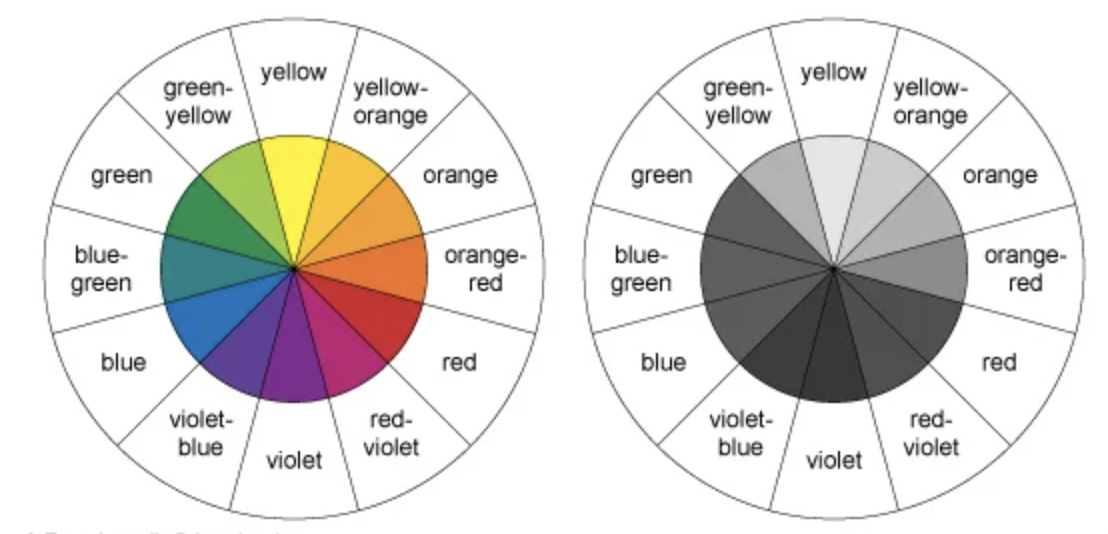
When you remove the saturation of a color, you get a result that lives in the black and grey value scale.
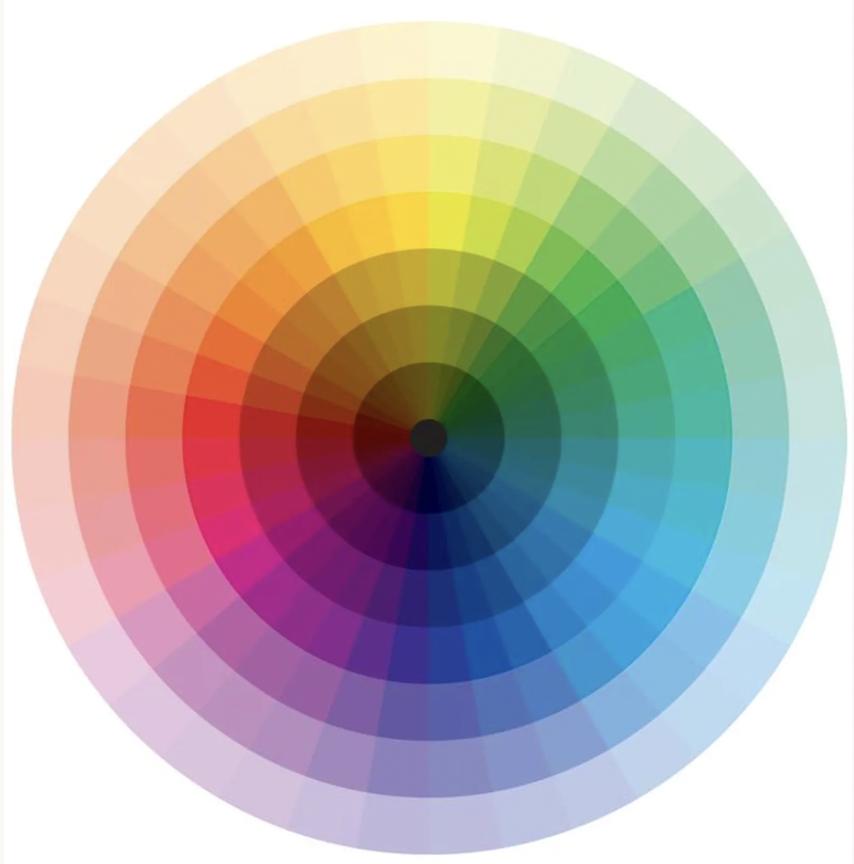
Notice how each color has a value range of light to dark
3. Color Categories Based on Value Range
High Value Colors
These are lighter shades, such as pastel pinks, light yellows, and soft blues. While these colors can look beautiful, they may lack sufficient contrast on darker skin tones, making them less visible.
Medium Value Colors
Medium shades, like medium greens and oranges, can work well across a range of skin tones. They often provide a balance of visibility and aesthetic appeal.
Low Value Colors
Darker shades, such as deep blacks, dark reds, and navy blues, tend to stand out well on all skin tones. These colors provide strong contrast and are often used for outlines and detailed work.
4. Layering Colors for Depth
Creating Dimension
Tattoo artists can use layering techniques to enhance the depth and dimension of their work. By combining colors of different values, artists can achieve a more dynamic and visually interesting tattoo.
While people tend to gravitate toward high saturation colors, it is the VALUE RANGE of the colors that really matters. The color itself is less important than matching the correct value in the value scale. The more accurate the value range, the more realistic the image. Highly saturated color palettes are less sophisticated, with the colors battling for attention in the value range, or the colors being the same value, causing the image to lack some of the value range that would benefit it visually
5. Interaction with Skin Tones and Undertones
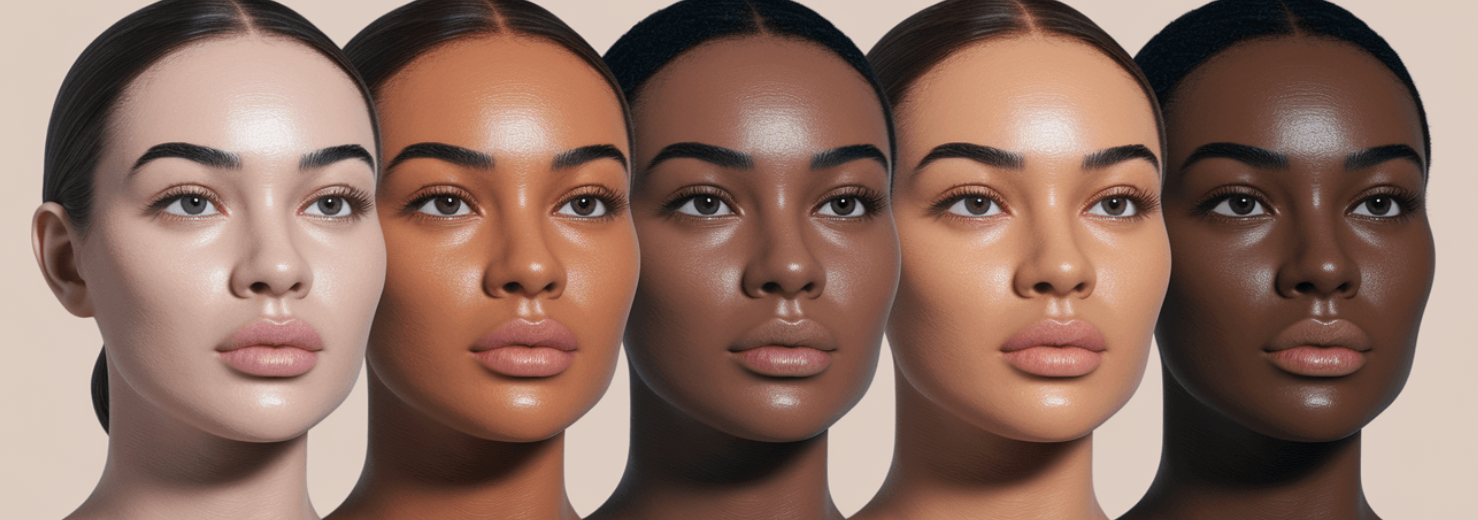
Skin Tone impacts Value Range.
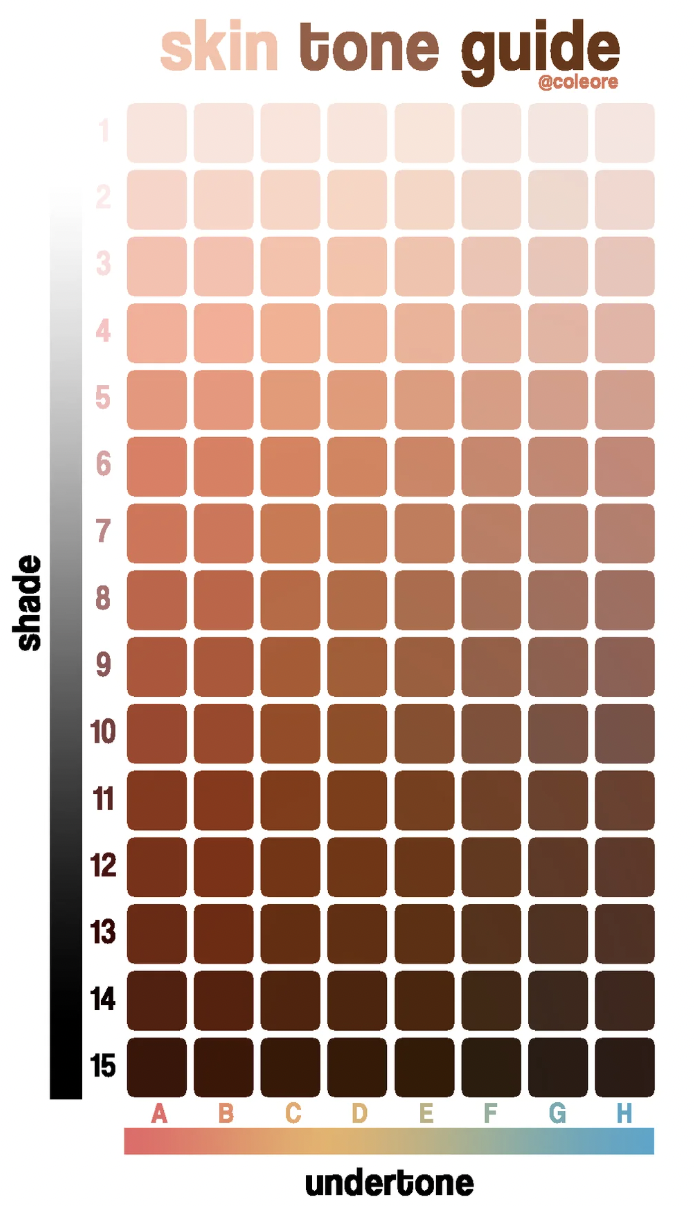
Influence of Skin Tone
We explored how skin tone either lengthens or narrows the value range possible for black and grey ink in the skin, in a previous post. This is also true for color. The skin tone (how light or dark the skin is) still effects the possibilities for the value range, but there is an added level of complexity — Undertones.
Influence of Undertones
The skin's undertone can affect how the saturation, hue, and value range of colors is perceived. Understanding the interplay between value range and undertones can help artists choose colors that enhance the tattoo's overall appearance. Just like certain colors play well together, some colors have conflict when you mix them; ie if you have a warm undertone, cool colors might not behave how you expect. For example, blue or purple ink in a warm skin tone can look more green or brown due to the yellows in the skin undertone. It is important to take your artist’s advice when it comes to color, skin tone, and undertone!
Choosing the Right Colors
Artists should consider the value range of the inks they use in relation to the client’s skin tone and undertone. This ensures that the final tattoo is not only aesthetically pleasing but also stands out and retains its vibrancy over time.
Clients should avoid telling the artist to make preferential adjustments to their colors if they do not understand color theory, skin tone, and undertones. A qualified artist will try to encourage you to consider their knowledge, but at the end of the day, if you make them do something they told you isn’t a good idea… well you know what happens.
Conclusion
Understanding value range in relation to color is a vital aspect of tattoo artistry. By recognizing how lightness and darkness affect color perception, tattoo artists can make informed choices that lead to stunning, long-lasting tattoos. This knowledge serves as a foundation for further discussions on skin undertones and how they influence color selection in tattooing.
Value Is More Important Than Color