
"Value Range in Tattooing: Understanding the Differences Across Skin Tones"
1. Definition of Value Range

VALUE SCALE FOR INK SET
Value Range: Refers to the spectrum of lightness and darkness of colors. In tattooing, this range is crucial for determining how well a tattoo will contrast against the skin tone.
Colors have value assigned to them: For ease of comprehension, we will focus on black and grey, prior to color. Color adds an extra layer of complexity in that it involves chroma, saturation, and undertones. If you can’t understand the value range in black and grey, it will be harder to comprehend it in color.
2. Light Skin Value Range
Broad Spectrum: On light skin, the value range is extensive, typically ranging from pure black ink to various shades of white and light tones. This allows for a wide variety of colors and shades to be used effectively.
Contrast: The high contrast between dark inks and light skin enables intricate designs, subtle shading, and a broad palette of colors to be utilized. Artists can achieve fine details, gradients, and realistic effects more easily.
When we think of the value range, we think of the entire scale of black to white. In the case of tattooing, the value of the skin itself is the lightest possible value — it is the “white”… even if it isn’t white.
3. Dark Skin Value Range
Narrow Spectrum: In contrast, the value range on darker skin is much shorter. The natural melanin in the skin creates a limited contrast between the skin tone and tattoo ink.
Challenges: This limitation means that lighter colors may not show up well, and some shades may appear muted or blend into the skin. As a result, artists must be more selective with their color choices and techniques to ensure visibility and vibrancy.
So, in the case of tattooing melanated skin, the darkness of the skin itself becomes the lightest possible value (aka “white”). For dark skin, this means eliminating those super light greys, and working with values that are darker than the skin tone itself, working within a more minimal palette. This does not mean less beautiful by any means! Simplicity is often more beautiful.
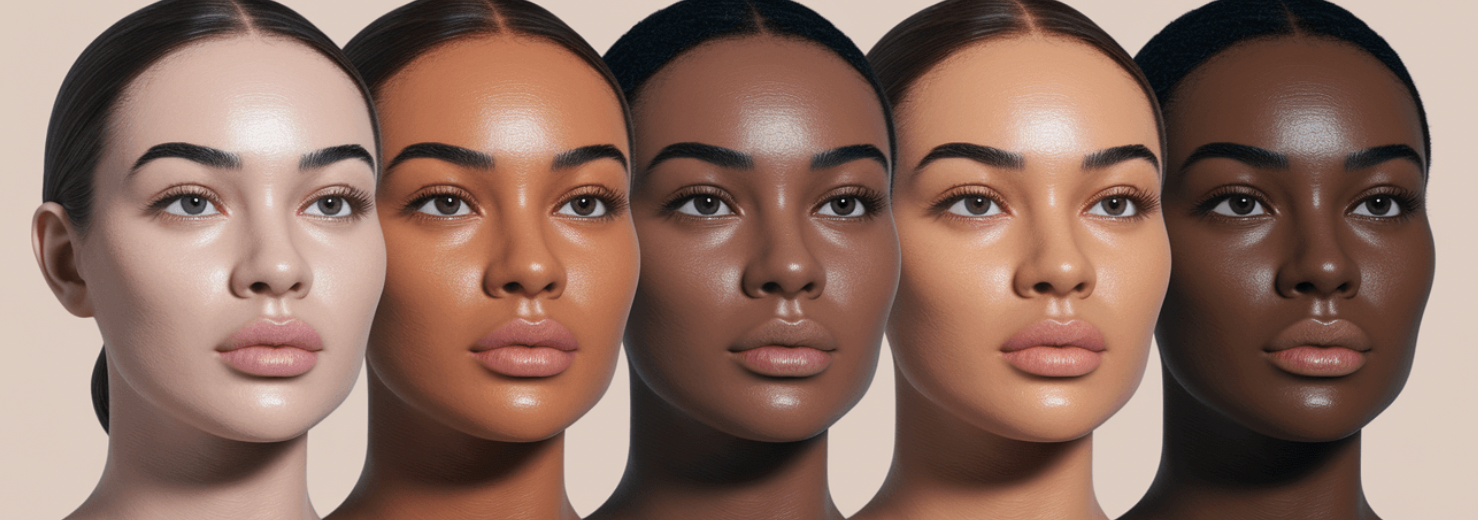
Your skin tone is the lightest value available, establishing your value range. Think “skin tone to black ink” as your range of value possibility.
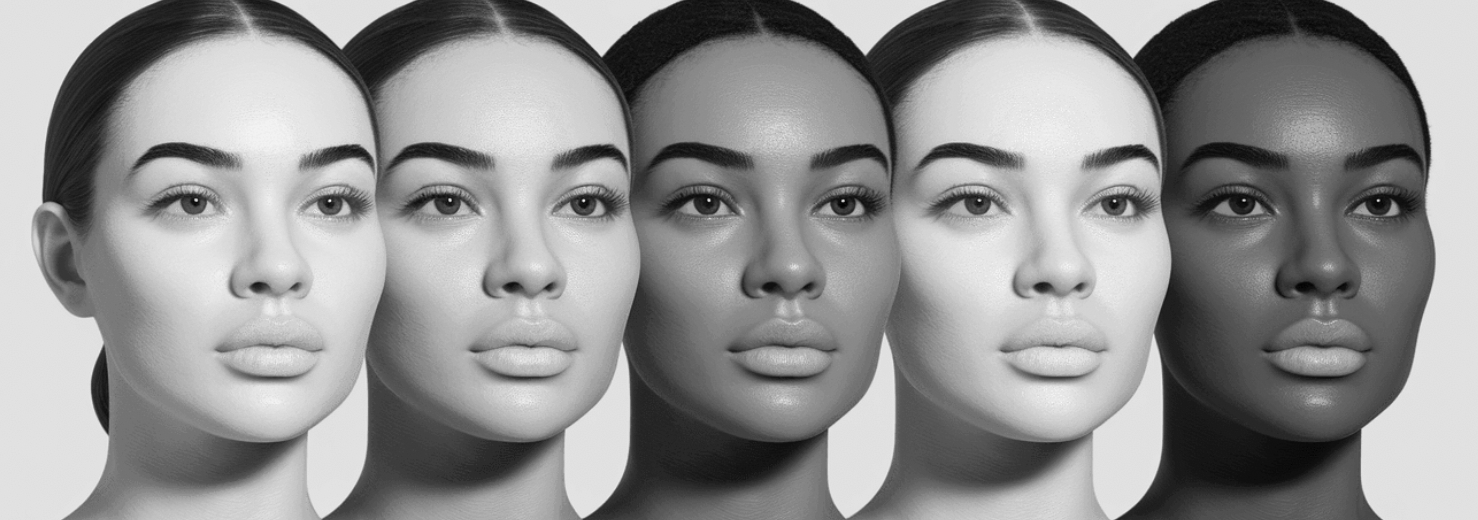
The darker skin tones will rely more on darker values. The lighter skin tones allow you to stretch your value range out wider. This photo also demonstrates how “color translates into a black and grey value range”.
Implications for Tattooing on Dark Skin
Color Selection:
Artists must choose bolder, darker colors that offer sufficient contrast against the skin. Deep blacks, vibrant reds, and rich blues are often preferred, as they can stand out effectively.
Techniques:
Tattoo artists may need to adjust their techniques, such as needle depth and pressure, to ensure proper ink saturation and visibility. Achieving the right depth is crucial for ensuring that the ink is deposited correctly.
Design Considerations:
Simpler designs with bold lines may work better on darker skin to ensure that the tattoo remains distinguishable. Detailed or intricate designs may require careful planning to maintain clarity.
Aftercare and Longevity:
Because darker inks tend to hold up better over time, proper aftercare becomes even more critical to prevent fading and ensure that the tattoo retains its intended appearance.
Tattooing Melanated Skin
Conclusion
The difference in value range between light and dark skin significantly impacts the tattooing process. Artists must be aware of these nuances to create tattoos that are vibrant, meaningful, and long-lasting on melanated skin. By understanding the limitations and opportunities presented by each skin tone, tattoo artists can better serve their clients and create beautiful works of art that celebrate their individuality.
